

GENEWIZ Webinars
-
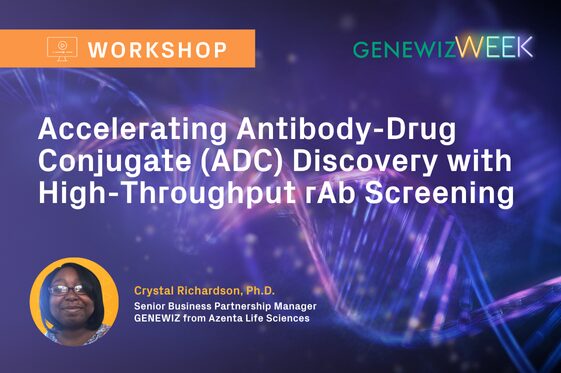
Accelerating Antibody-Drug Conjugate (ADC) Discovery with High-Throughput rAb Screening
Antibody-drug conjugates (ADCs) are a rapidly growing class of therapeutics, particularly for oncology. In this workshop, we explore robust, high-throughput recombinant antibody (rAb) tools using machine learning for screening hundreds to thousands of candidates in parallel to identify new, effective antibody candidates.
-
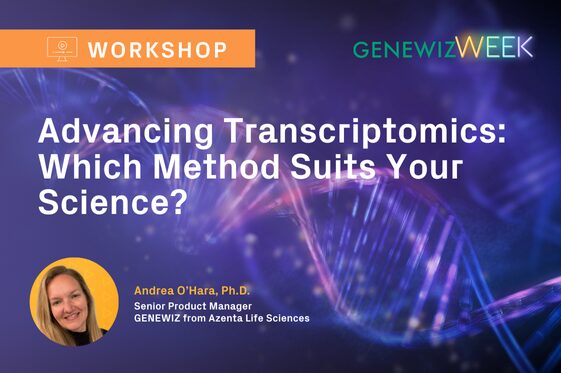
Advancing Transcriptomics: Which Method Suits Your Science?
From traditional bulk RNA sequencing (RNA-Seq) to single-cell RNA-Seq (scRNA-Seq),spatial transcriptomics and beyond, take a look at the most common transcriptomics assays and their results to discover what conclusions you can draw, when to combine, and how these methods can complement and confirm findings.
-
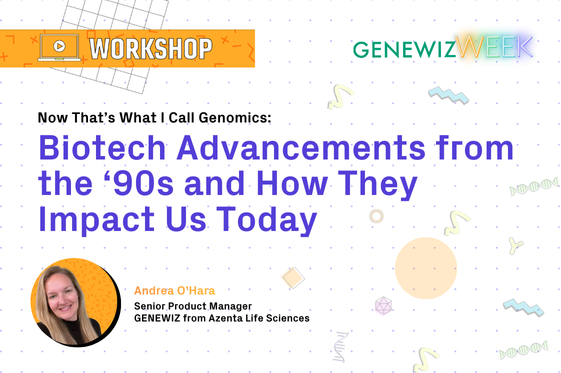
Biotech Advancements from the ‘90s and How They Impact Us Today
Look back at some of the most iconic breakthroughs of the 1990s, from the Human Genome Project launch to the cloning of Dolly the Sheep and the first successful gene therapy highlighting how these milestones led to today’s genomic technologies.
-
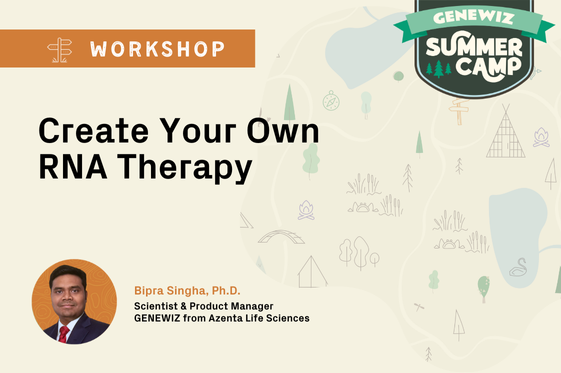
Create Your Own RNA Therapy
RNA-based therapies are promising treatment options for many pathophysiologies. Learn how to optimize your success for RNA-based therapeutic development, leverage RNA fundamentals for mRNA therapeutic design and synthesis, and confirm the quality of your RNA therapies.
-
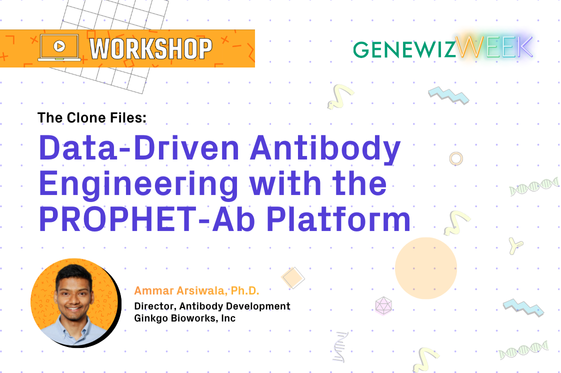
Data-Driven Antibody Engineering with the PROPHET-Ab Platform
Explore how the PROPHET-Ab platform leverages AI/ML-based modeling to generate predictive insights into antibody developability, highlighting real-world applications of PROPHET-Ab.
-
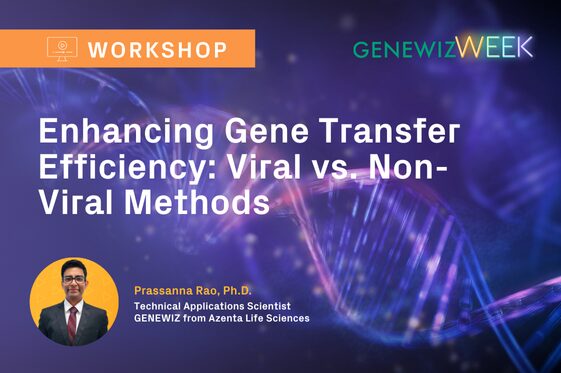
Enhancing Gene Transfer Efficiency: Viral vs. Non-Viral Methods
Discover the latest innovations in transgene introduction. Viral vectors, such as lentivirus and adeno-associated virus (AAV), are noted for high efficiency and stable integration but can pose risks. Non-viral methods, including lipid-based nanoparticles (LNPs) and CRISPR/Cas9-based delivery, offer safer alternatives with lower immunogenic risks.
-
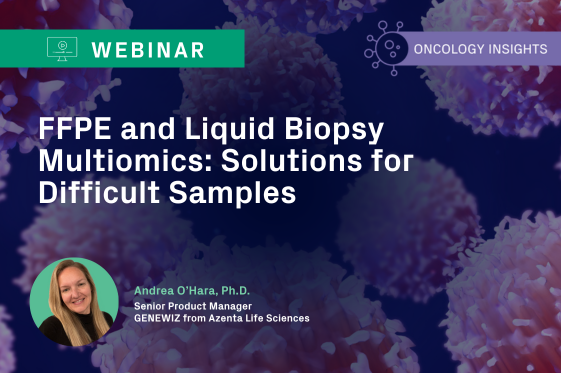
FFPE and Liquid Biopsy Multiomics: Solutions for Difficult Samples
Formalin-fixed paraffin-embedded (FFPE) tissue samples and liquid biopsies can be challenging to handle, but are valuable for oncology research…Discover how an integrated multiomics workflow tailored to FFPE samples and liquid biopsies, including genomics, epigenomics, transcriptomics, and proteomics solutions, can get the most out of your samples.
-
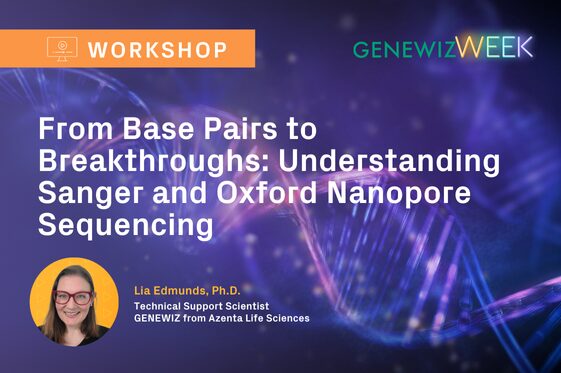
From Base Pairs to Breakthroughs: Understanding Sanger and Oxford Nanopore Sequencing
While Sanger sequencing remains the gold standard for accurate DNA sequencing, advancements in technology, such as Oxford Nanopore Technology (ONT), provide a cost-effective, long-read alternative. Delve into each technique and discover how to interpret resulting sequencing data effectively to capture the benefits of both approaches.
-
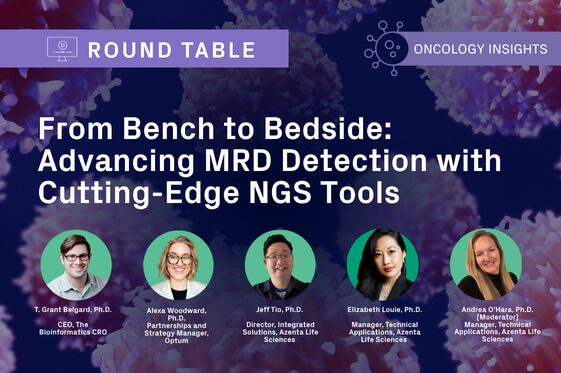
From Bench to Bedside: Advancing MRD Detection with Cutting-Edge NGS Tools
Four industry experts discuss advancements in next generation sequencing and their application to oncology research. Discussion topics include detecting minimal residual disease (MRD), optimizing downstream analysis for oncology samples, pros and cons of panels, as a standard of care for different types of cancer.
-

Mastering Multiomics: Choose Your Own Adventure
Dr. Andrea O’Hara describes how multiomics can be used to measure molecular biomarkers across a variety of applications, including solutions for genomics, epigenomics, transcriptomics, proteomics, and metabolomics.
-
Nanopore Results & Interpretation Made EZ
Nanopore sequencing provides a cost-effective, long-read approach for a variety of analyses. In this workshop, delve into the considerations of each technique and discover how to interpret their resulting sequencing data effectively.
-

The Perfect Plasmid – Tips & Tricks
In this workshop, learn about the codon optimization for enhanced plasmid design and synthesis, plasmid preparation techniques to reduce random error and sequencing techniques to confirm your perfect plasmid.
-
Plasmid and PCR Analysis Made EZ
A comprehensive review of PCR-EZ and Plasmid-EZ analysis and interpretation.
-
Proteomics Data Insights – How Do I Use the Results in My Research?
Applying complex data generated from proteomics analysis can be challenging. Learn how integrating protein data into your workflow can help bridge the gap between genomics, transcriptomics, and phenotypes, offering deeper insights into disease mechanisms, identifying new drug targets, and developing personalized therapies.
-
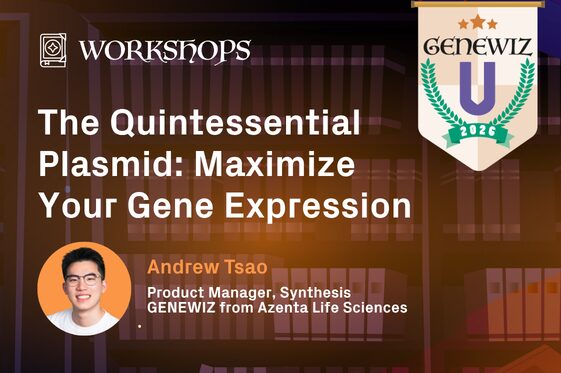
The Quintessential Plasmid: Maximize Your Gene Expression
Master essentials for designing, synthesizing and preparing your best plasmid with maximized gene expression.
-
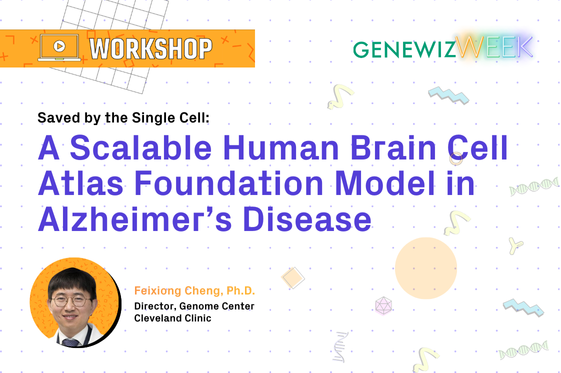
A Scalable Human Brain Cell Atlas Foundation Model in Alzheimer’s Disease
Dr. Cheng discusses findings using single-cell and nucleus-level genomics and epigenomics with interpretable deep learning and in silico network medicine to uncover molecular interactions between disease-associated microglia and astrocytes in Alzheimers.
-
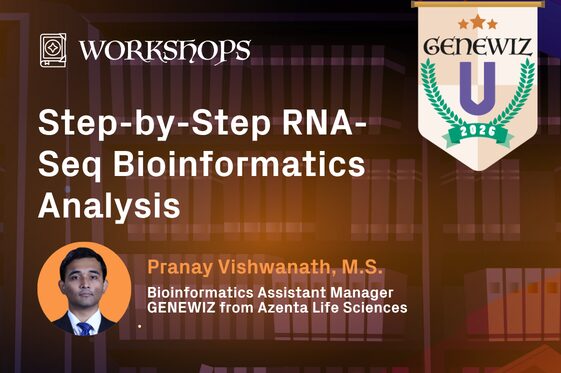
Step-by-Step RNA-Seq Bioinformatics Analysis
Learn how to turn RNA-Seq data into meaningful results with a guided overview of key bioinformatics analysis steps.
-
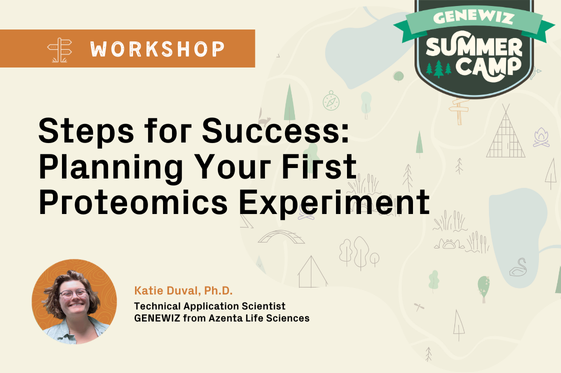
Steps for Success: Planning Your First Proteomics Experiment
Proteomic technologies have significantly impacted translational medicine and opened doors for enhanced biomarker discovery. Learn about traditional and modern protein expression assays available to identify and measure proteins.
-

Top 10 Considerations for Best Success with RNA-Seq
Understand the answers to 10 essential questions that will guide you in designing your RNA-Seq experiment and help you identify the best methods for your research goals.
-
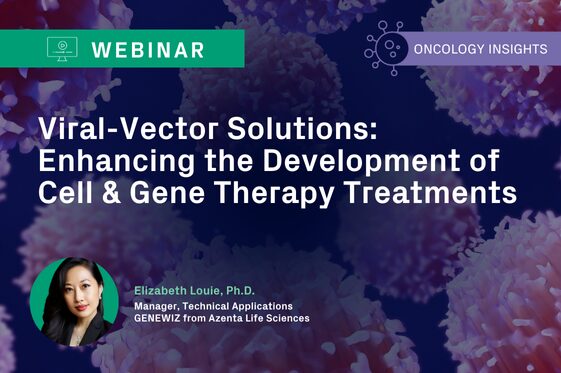
Viral-Vector Solutions: Enhancing the Development of Cell & Gene Therapy Treatments
Viral vectors hold great promise for precision medicine in oncology. Lentivirus plays a critical role in the emergence of cell therapies through genetic modifications, such as CAR-T therapy, and adeno-associated virus (AAV); vectors are emerging. Explore the development process of viral delivery systems for oncology therapeutics.